

Employee experience encompasses everything employees experience at work. This encompasses their interactions with their boss, team, workplace infrastructure, and a multitude of other factors. The most crucial aspect of employee experience is the relationship between an employer and an employee; in turn, this is a major contributor to employer branding.
The brand value of an organisation, as well as the environment within the organisation, will determine how favourable it is for the employer to experiment with new ways of working and growing its talent. In today’s working environment, jobs are no longer structured as before, and retaining talent is not just about providing employees with a nine-to-five job. It is about steering and exploring new ways of work and creating a culture of hunger and desire for learning among the employees.
The Employee Experience Equation:
(Jacob Morgan)
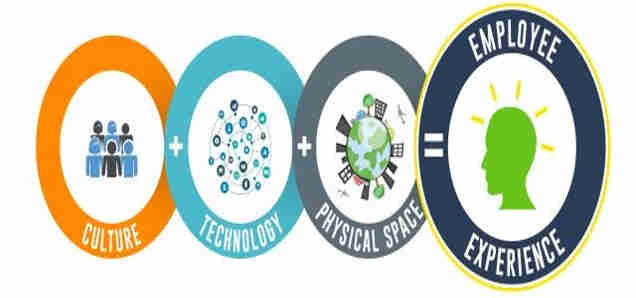
It is important to keep in mind that the employees’ experience is the value proposition that an employer presents to the outside world. Employees communicate the values of an organisation beyond the workplace; thus, not focusing on the employee experience means that an organisation may be seen as a good brand, but a bad employer. In a perfect world, employer brand and candidate experience would be synonymous. Employer brand is how you want to be perceived in the labour market, and employee experience is what actually happens to real people who apply to and who work for an organisation. Creating a great employee experience helps foster productivity and improve morale.
When embarking on an employee experience strategy, employers should realise that it must form a part of their business strategy. Employers must understand the bigger picture and realise that everything must align with the organisation’s overall business strategy.
There are several ways to tackle EX assessment, based on the model below.
For example:
-
Surveying all staff simultaneously and splitting results by stage of the lifecycle. This way, you can compare EX at different stages to plan specific improvements.
-
Use the model and survey simultaneously, but tailor your questions specifically for employees at each stage. You won’t be able to compare stages as thoroughly, but you may get more in-depth feedback about each individual stage.
-
Run completely separate onboarding, engagement, wellbeing, culture, and exit surveys on different schedules. This may fit better with separate activities, e.g. induction programmes and individual exits, but requires more admin, and comparisons won’t be as clear.
-
However you design the process, it will be critical that leaders from across the business buy into the importance of a good employee experience, and critically, are willing to take action based on your survey findings. More on this to come.
The model:

At the end, it all boils down to knowing your employees, their needs, and their culture. The organisation’s culture must be aligned with its talent base. Thus, to create a successful employee experience, organisations need to understand what a specific person would need to come and work for them, if they want to attract and retain a specific talent.
For more information on this topic or assistance with designing your own employee experience, visit us at www.yellowseed.co.za or get in touch at info@yellowseed.co.za
